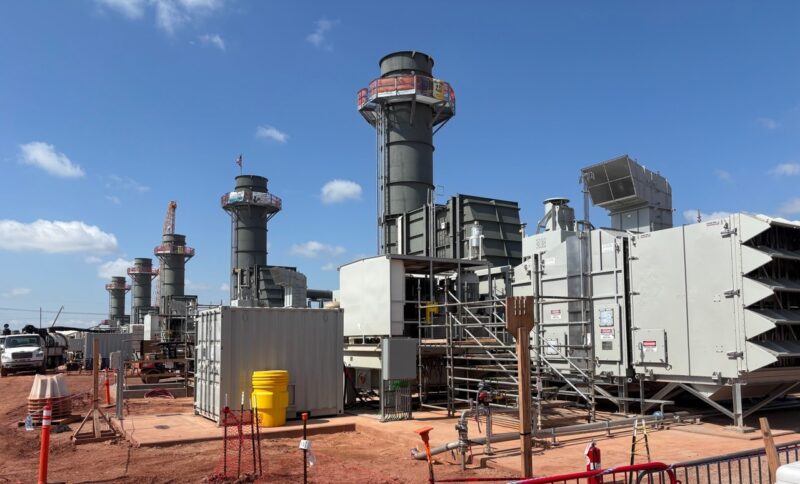
Industrial power infrastructure forms the backbone of mining operations, manufacturing plants, processing facilities, and large scale commercial developments. These environments demand electrical systems that are not only robust and efficient, but also engineered with precision to ensure safety and long term reliability. From concept through commissioning, industrial power infrastructure design requires a structured approach that integrates safety and performance at every stage.
Strategic Industrial Power Infrastructure Design
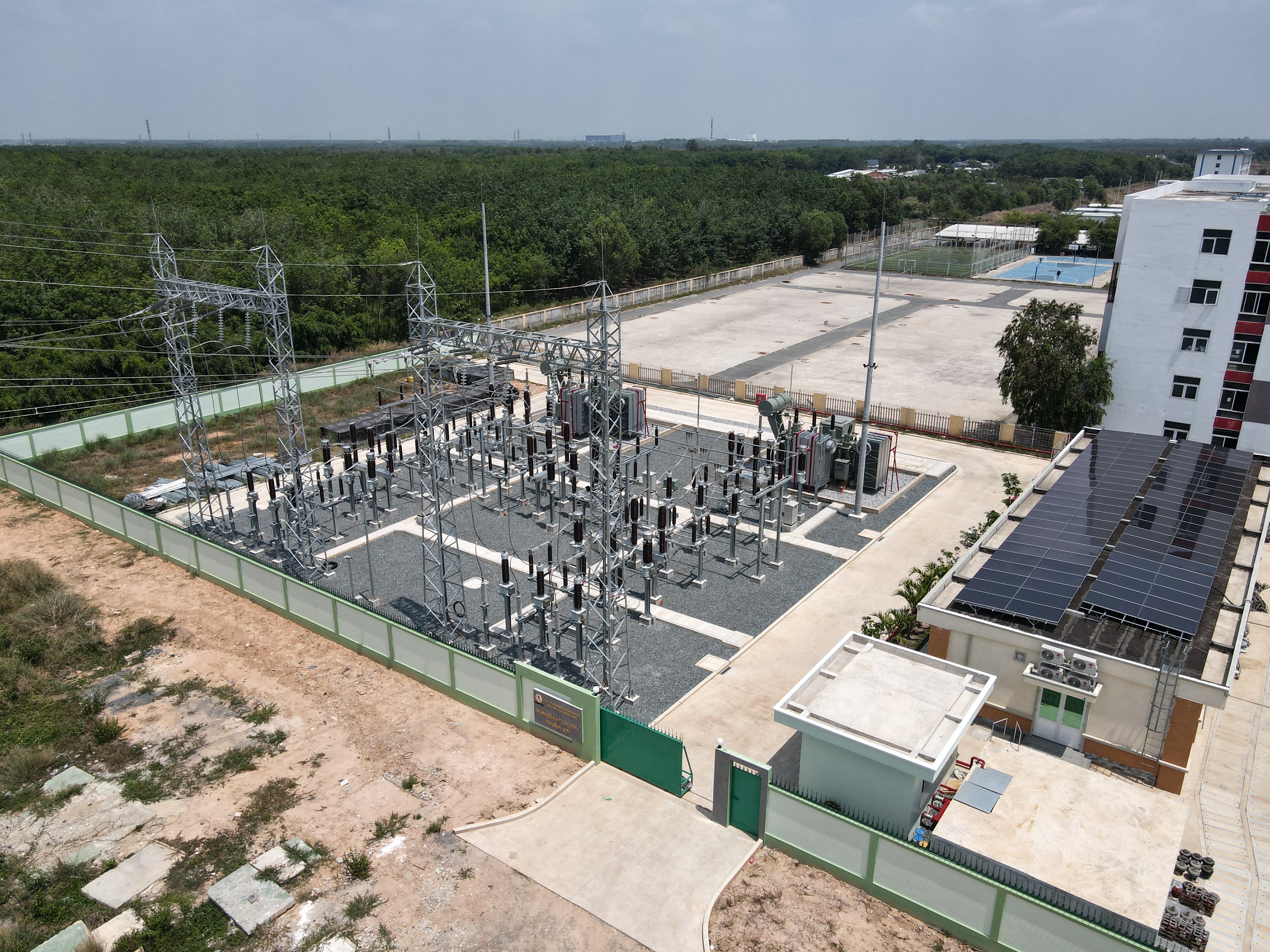
Complex industrial projects often rely on a substation designer with artistry who can balance technical performance, spatial constraints, and long term scalability within a single cohesive solution. Industrial power infrastructure design typically begins with load forecasting, process mapping, and identification of critical versus non critical systems.
Engineers assess voltage levels, transformer sizing, switchgear configuration, cable routing, and earthing systems to ensure stable and efficient power delivery. High voltage intake substations, medium voltage distribution networks, and low voltage motor control centers must all function seamlessly together.
Design decisions also account for redundancy and future expansion. Dual supply feeds, standby generation, and modular switchboards allow facilities to maintain operations during maintenance or fault conditions. Scalability planning reduces the need for costly redesigns as operational demand grows.
Safety Integration Across The Power Network
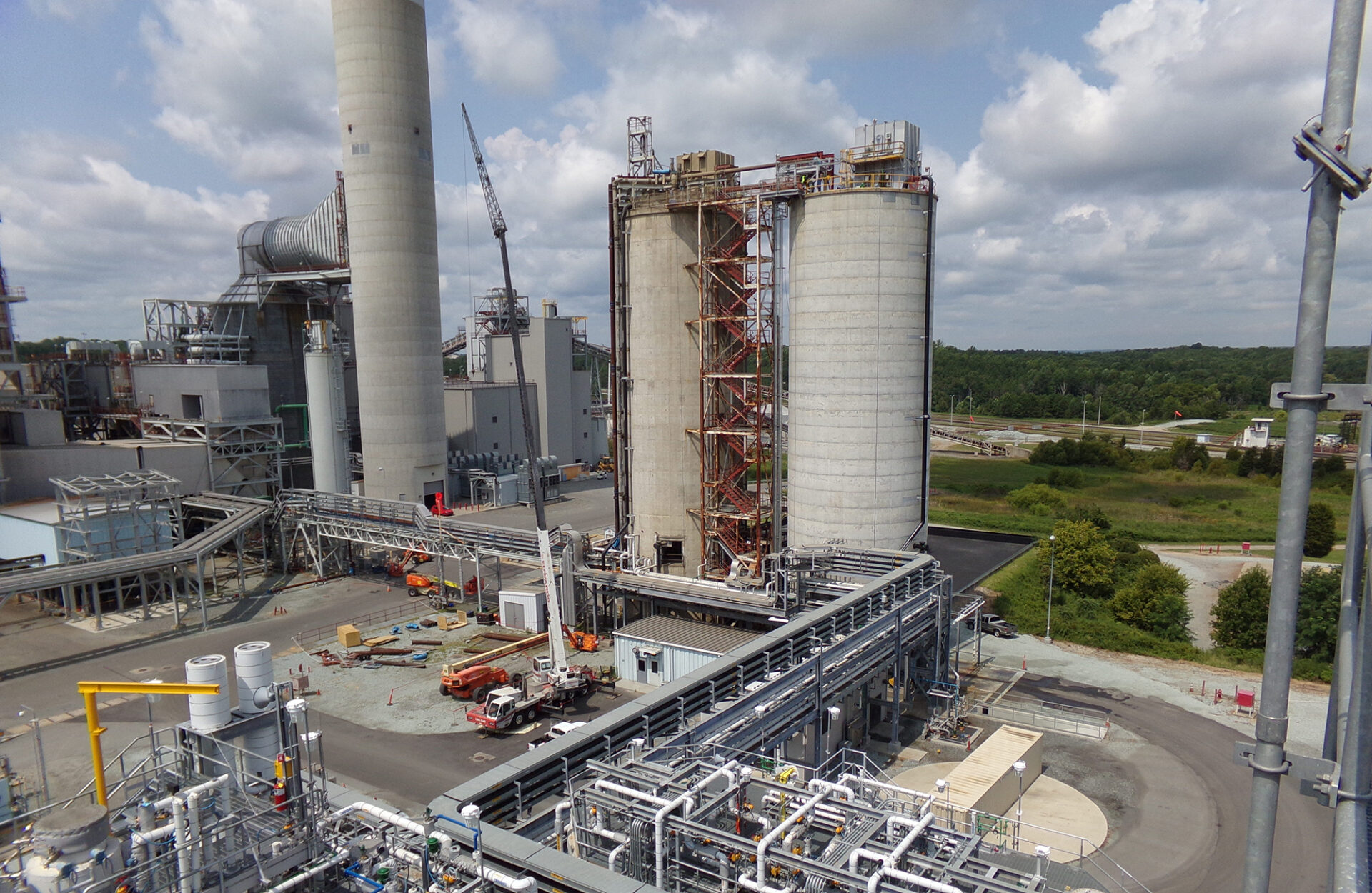
Safety is a core element of industrial power infrastructure. Engineers conduct detailed power systems studies, including load flow, short circuit, and protection coordination analysis, to ensure that equipment ratings and protection schemes are aligned with operational conditions.
Arc flash assessments are particularly important in industrial environments where high fault currents can pose significant risk to maintenance personnel. These studies define safe working boundaries and inform the selection of protective devices and personal protective equipment requirements.
Grounding and earthing systems are designed to control step and touch voltages during fault events. Proper bonding and grounding reduce the risk of electric shock and protect both personnel and equipment.
Integration with safety systems such as emergency shutdown controls, fire protection interfaces, and hazardous area classifications is also essential. In facilities handling flammable materials or explosive atmospheres, electrical installations must comply with strict standards to prevent ignition sources.
Performance Assurance And Long Term Reliability
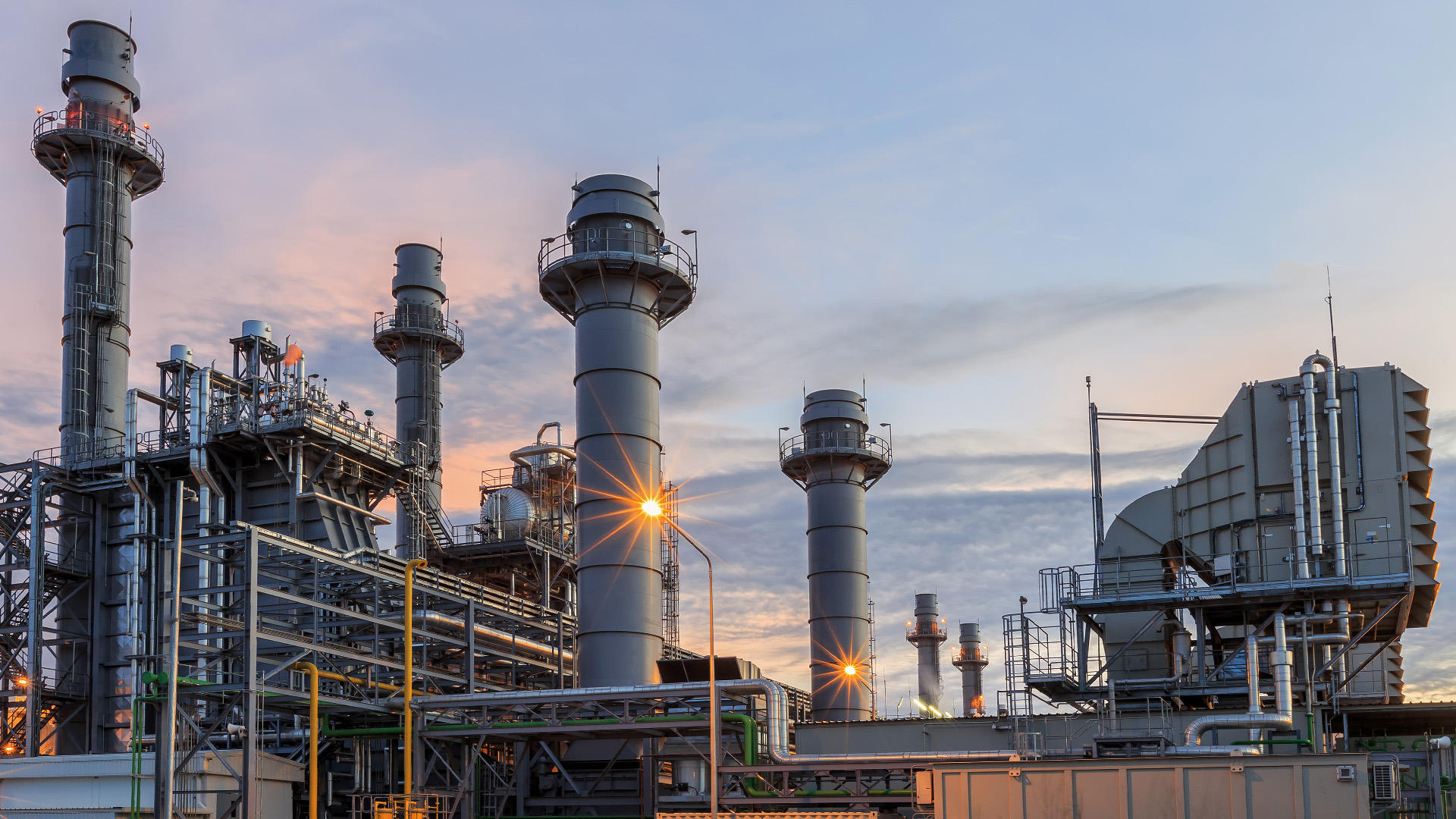
Performance assurance extends beyond initial design. Commissioning processes verify that systems operate according to specifications. This includes protection relay testing, functional trip verification, load validation, and monitoring system calibration.
Modern industrial power systems increasingly incorporate digital monitoring and automation platforms. These systems enable real time data collection, predictive maintenance, and remote diagnostics. Continuous performance monitoring allows operators to identify inefficiencies or emerging faults before they disrupt production.
Lifecycle planning also contributes to performance assurance. Regular inspection schedules, protection setting reviews, and equipment condition assessments help maintain system integrity over time. Structured documentation ensures compliance with regulatory requirements and supports insurance and audit processes.
By embedding reliability and maintainability into the design phase, engineers reduce operational risk and protect long term asset value.
Conclusion
Industrial power infrastructure design demands technical precision, integrated safety planning, and forward thinking performance assurance. From substation configuration to protection coordination and digital monitoring, every element must work cohesively to support safe and efficient operations. With expert engineering and structured verification processes, industrial facilities can achieve resilient power systems that deliver stability, compliance, and long term operational confidence.